

Acne scars are not all created equal—and treating them effectively requires more than surface-level solutions. For deep, stubborn scars such as ice pick and boxcar scars, traditional facials, peels, and even some laser treatments may fall short.
One of the most effective, targeted treatments available is TCA CROSS (Trichloroacetic Acid Chemical Reconstruction of Skin Scars). This technique is specifically designed to treat deep acne scars at their source, stimulating collagen production and improving both texture and discoloration.
What Is TCA CROSS?
TCA CROSS is a specialized acne scar treatment where a high concentration of trichloroacetic acid is applied directly into individual scars using a precise applicator.
Unlike full-face chemical peels, this method isolates each scar, delivering controlled injury exactly where correction is needed.
This precision allows for:
- deeper collagen stimulation
- targeted scar remodeling
- minimal impact on surrounding healthy tissue
What Is Blanching?
One of the most important visual indicators during treatment is something called blanching.

Blanching appears as a temporary white “frosting” of the skin immediately after the acid is applied. This occurs due to protein coagulation in the skin, signaling that the acid has penetrated and initiated the corrective process.
Blanching confirms:
- accurate placement of the acid
- effective depth of treatment
- activation of the skin’s repair response
This step is critical for achieving real, visible improvement in deep acne scars.
Why TCA CROSS Works for Stubborn Acne Scars
Deep acne scars form when collagen is lost during the healing process, leaving indentations in the skin.
TCA CROSS works by:
- Creating a controlled micro-injury within the scar
- Stimulating fibroblast activity (collagen-producing cells)
- Gradually rebuilding the dermal structure from within
Over time, this leads to:
- lifting of depressed scars
- smoother skin texture
- improved overall skin integrity
Can TCA CROSS Improve Post-Inflammatory Erythema (PIE)?
Yes—and this is often an overlooked benefit.
Post-inflammatory erythema (PIE) refers to the red or pink marks left behind after acne heals. While TCA CROSS is primarily used for texture, the collagen remodeling and skin renewal it stimulates can also significantly improve redness.
As the skin repairs and strengthens, tone becomes more even, reducing the appearance of persistent inflammation.
What to Expect After Treatment (Downtime & Healing)
Immediately after treatment:
- treated areas will appear white (blanching)
Within 24–48 hours:
- small, localized scabs will form over each treated scar
Days 3–7:
- scabs naturally shed (do not pick)
Common side effects:
- mild redness
- temporary dryness
- pinpoint crusting
Downtime is generally minimal and localized, making it a manageable option for many patients.
How Many Sessions Are Needed?
TCA CROSS is performed in a series of treatments, typically:
- 3 sessions minimum
- spaced 4–6 weeks apart
After completing the initial series, results are reassessed and additional treatments or combination therapies may be recommended for advanced correction.
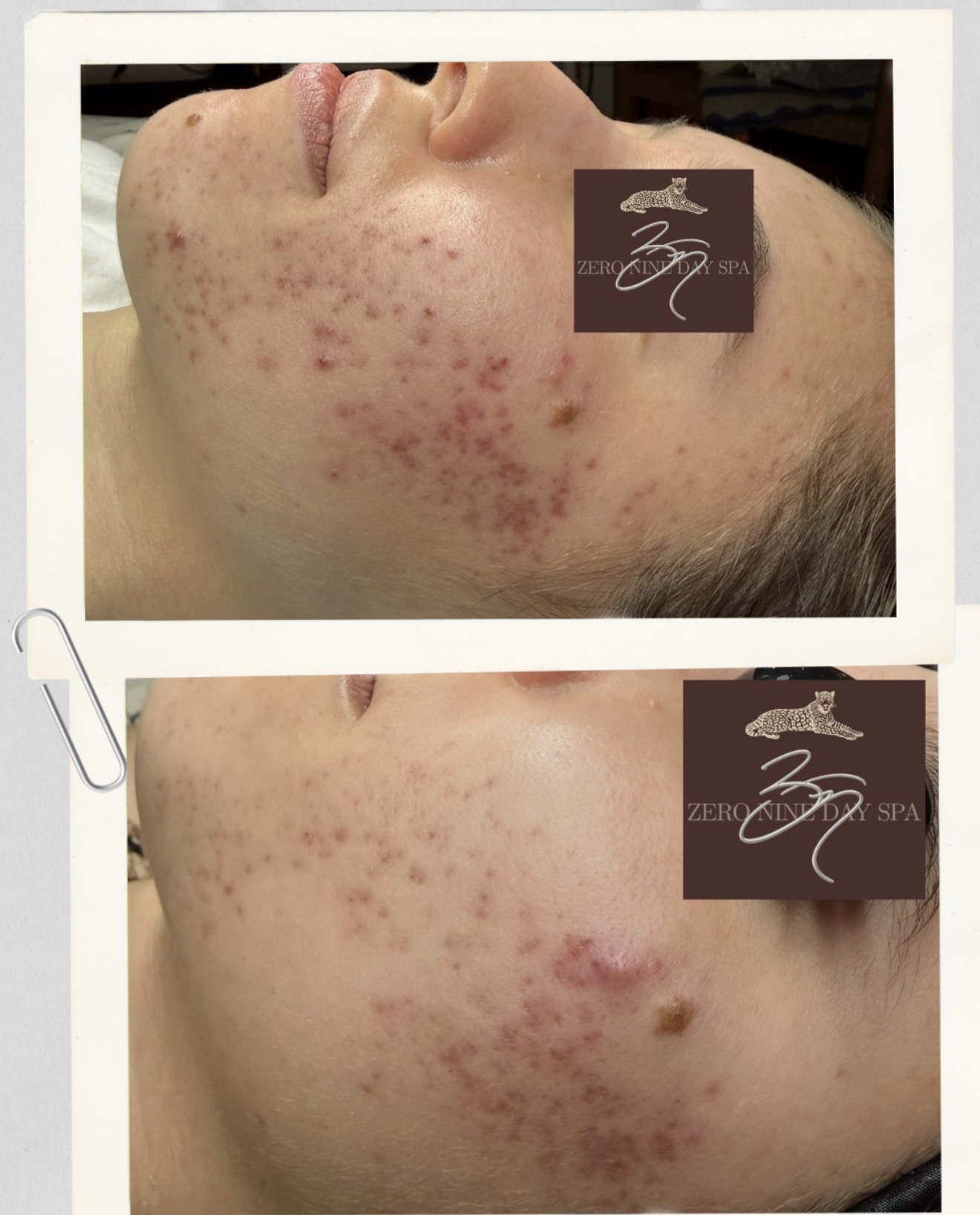
Before and After: What Results Look Like
After just one session, many patients begin to see:
- subtle lifting of scars
- smoother texture
- reduced redness
However, true transformation occurs progressively over multiple sessions as collagen continues to rebuild.
TCA CROSS is not a quick fix—it’s a strategic, results-driven treatment designed for real correction.
For those struggling with deep acne scars that haven’t responded to other treatments, this method offers a clinically proven approach to restoring smoother, healthier-looking skin.
Looking for expert acne scar treatment in Scottsdale?
A personalized consultation is the first step in building a protocol designed specifically for your skin.












Read the Comments +